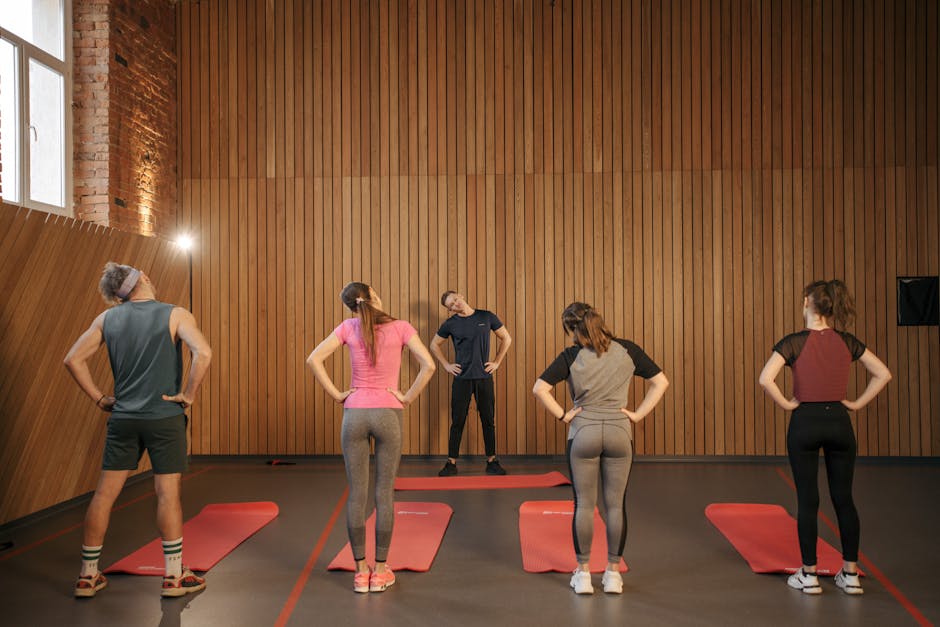
The Importance of a Good Warm-Up
Picture this: you’re about to hit the gym after a long day at work. You’re eager to dive into your routine, perhaps starting with heavy squats or some intense interval training. But wait! Before you jump in, a well-planned warm-up is crucial. Not only does it prepare your body for the exertion to come, but it also helps prevent injuries. According to a 2024 study published in the Journal of Sports Science, athletes who incorporated a structured 10-15 minute warm-up reported a 50% reduction in muscle strains compared to those who skipped it.
A good warm-up gradually increases your heart rate and blood flow to your muscles. This, in turn, enhances muscle elasticity and joint flexibility. Imagine you’re a runner preparing for a marathon. A dynamic warm-up that includes high knees, leg swings, and butt kicks can improve your range of motion and reduce the risk of injuries during the race.
- Increased Body Temperature: Raising your core temperature primes your muscles for action.
- Improved Flexibility: Dynamic stretching helps your muscles and joints move through their full range of motion.
- Enhanced Performance: Studies have shown that a proper warm-up can improve performance by up to 5%.
What Makes an Effective Warm-Up?
An effective warm-up should be tailored to the specific workout you’re about to perform. Suppose you’re about to start a weightlifting session at Gold’s Gym, Venice Beach. Begin with 5-10 minutes of light cardio, such as jogging or cycling, to get your heart rate up. Follow this with dynamic stretches that target the muscle groups you’ll be working on. For a leg day, focus on lunges, leg swings, and bodyweight squats.
It’s also essential to engage in sport-specific drills. If you’re a basketball player, incorporate ball-handling drills and practice shooting to get your body and mind in the game. Customizing your warm-up will help ensure that you’re physically and mentally prepared for the workout ahead.
The Often Overlooked Cool-Down
After a rigorous workout at Barry’s Bootcamp in New York City, it’s tempting to hit the showers and call it a day. But hold on! The cool-down phase of your workout is just as important as the warm-up. Cooling down helps your body transition from an active state to a resting one. It gradually lowers your heart rate and prevents blood from pooling in your muscles, which can lead to dizziness or fainting.
- Gradual Heart Rate Reduction: Slowly decreasing your heart rate ensures your cardiovascular system doesn’t experience a sudden drop in activity.
- Prevention of Blood Pooling: Gentle movements keep the blood circulating and prevent it from pooling in your lower extremities.
- Speedy Recovery: Stretching during a cool-down can help reduce muscle soreness and improve recovery times.
Stretching: The Secret Weapon of Your Cool-Down
Static stretching is a vital component of any cool-down routine. It helps relax the muscles and enhances flexibility. Focus on holding each stretch for 15-30 seconds, and don’t rush it. If you’re at a yoga studio in Bali, ending your session with some deep stretches can be both physically and mentally rejuvenating.
Consider incorporating stretches that target the major muscle groups you’ve worked. If you’ve just finished an upper-body workout, stretch your shoulders, triceps, and chest. Invest this time in your body, and it will repay you with improved flexibility and reduced risk of injury.
Real-Life Examples: Athletes Who Swear by Warm-Up and Cool-Down
Many top athletes attribute their longevity and success to a dedicated focus on warm-ups and cool-downs. Take, for instance, Serena Williams, who has been known to spend up to 30 minutes warming up and cooling down during her extensive training sessions. Her routine includes dynamic stretching, agility drills, and meditation, all contributing to her legendary performance on the court.
Similarly, the Manchester City football team employs a team of specialists devoted to designing personalized warm-up and cool-down routines for each player. This has reportedly played a vital role in reducing injuries and enhancing performance during their demanding Premier League schedule.
Practical Takeaway: Plan and Execute
Your workout doesn’t start and end with lifting weights or running miles. It begins with a smart warm-up and concludes with a calming cool-down. Create a plan that includes both aspects, ensuring you dedicate at least 10-15 minutes to each. Track your performance and pay attention to how your body feels. You’ll likely notice improvements in both your performance and your recovery times. Treat your warm-up and cool-down as essential components of your fitness routine, and watch your progress soar!