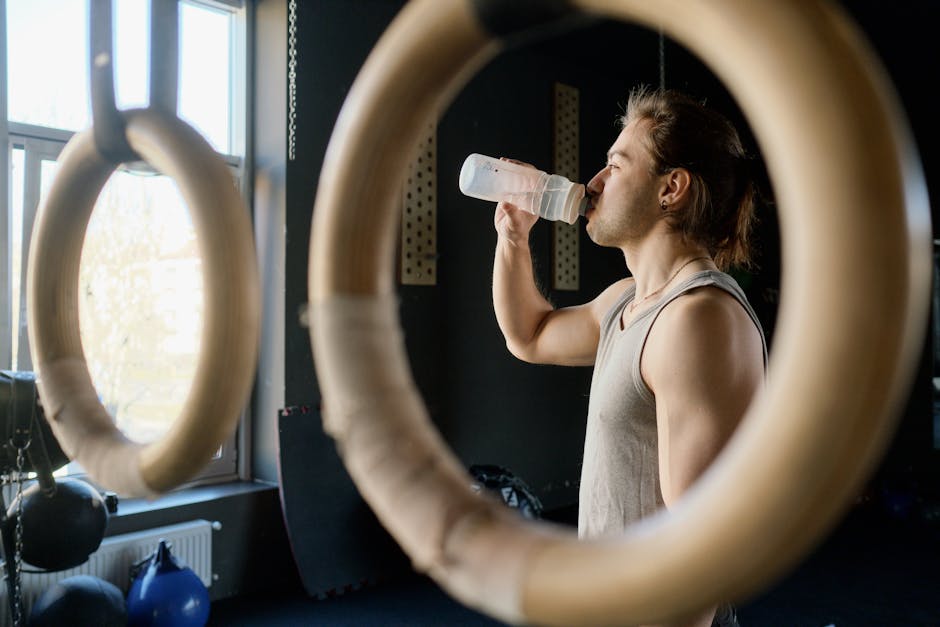
The Often Overlooked Key to Muscle Growth
When the topic of muscle building comes up, most people think of weightlifting routines, protein intake, or the latest workout supplements. Rarely does hydration take center stage. Yet, staying well-hydrated is crucial for anyone looking to build muscle effectively. In fact, proper hydration can be as influential as your diet and exercise plans.
How Water Supports Muscle Function
Muscles are composed of approximately 75% water, making it a fundamental component of muscle tissue. But why is this important? Water plays a critical role in transporting nutrients and oxygen to cells, facilitating proper muscle contractions, and removing waste products. Dehydration can lead to muscle cramps, fatigue, and decreased performance, directly impacting your workout effectiveness.
- Nutrient Transport: Water is the medium through which essential nutrients reach muscle cells. Without sufficient hydration, your muscles may not receive the nutrients they need to grow and repair.
- Joint Lubrication: Proper hydration helps maintain the fluid levels needed for joint lubrication, reducing the risk of injury during heavy lifts or intense workouts.
The Science of Hydration and Muscle Protein Synthesis
Muscle protein synthesis is the process your body uses to repair and build new muscle fibers after exercise. Several studies have highlighted the impact of hydration on this process. A study published in the journal Nutrition in 2024 found that even mild dehydration (just 2% body water loss) could significantly reduce muscle protein synthesis by up to 15%. This means that inadequate water intake can slow down muscle recovery and growth, hindering your progress in the gym.
Furthermore, the amino acids that are building blocks of proteins rely on water to move efficiently throughout the body. Without adequate hydration, the delivery of these vital nutrients to your muscles is compromised.
Optimal Hydration Strategies for Athletes
So, how much water should you be drinking to support muscle growth? While the basic recommendation for adults is around 2.7 to 3.7 liters per day, athletes and those looking to build muscle may need more. Consider factors like exercise intensity, environmental conditions, and individual sweat rates when determining your daily water needs.
Here are some practical tips:
- Pre-Workout Hydration: Ensure you are well-hydrated before you start your workout. Drinking about 500ml of water 30 minutes before exercising can help prepare your body.
- During Workout: Sip on water throughout your workout. Aim for about 200ml every 20 minutes, especially if you’re sweating heavily.
- Post-Workout Recovery: Replenish lost fluids after your workout by drinking 1.5 times the amount of fluid lost through sweat. Weighing yourself before and after exercise can help gauge this loss.
The Impact of Dehydration on Performance
Dehydration doesn’t just affect your recovery—it impacts your performance as well. A study conducted at the University of Texas in 2025 found that athletes who were just 1% dehydrated experienced a decline in strength output by as much as 10%. Additionally, dehydration can lead to increased perception of effort, making workouts feel more difficult and reducing the likelihood of completing challenging routines.
Moreover, mental focus and decision-making can also be impaired by dehydration, which can lead to poor form or increased susceptibility to injuries during training sessions.
Hydration Beyond Just Water
While water is essential, consider integrating electrolytes into your hydration plan. Electrolytes, such as sodium, potassium, and magnesium, are crucial for maintaining fluid balance, muscle contractions, and nerve function. Coconut water, sports drinks, or electrolyte tablets can be effective ways to replenish these vital minerals, especially after an intense workout session.
However, be mindful of sugar content in commercial sports drinks. Opt for lower-sugar alternatives or consider making your own electrolyte drinks at home.
Practical Takeaway: Make Hydration a Priority
Hydration is a powerful yet often underestimated component of muscle building. By prioritizing your water intake and being mindful of your body’s hydration needs, you can enhance your muscle growth, improve workout performance, and optimize recovery. Hydration isn’t just about quenching thirst; it’s about fueling your body and maximizing your potential. So, the next time you pick up a dumbbell, remember to grab your water bottle too.