The Rise of Functional Fitness
In recent years, the fitness landscape has witnessed a revolutionary shift. As of 2026, functional fitness has emerged as the leading trend across gyms and workout studios worldwide. What exactly is driving this phenomenon? It’s a blend of practicality, accessibility, and undeniable results that cater to a diverse audience. Functional fitness focuses on exercises that train your muscles to work together, mimicking daily tasks, while also improving balance, coordination, and strength.
An interesting metric illustrates this trend: in a global survey conducted in early 2026, 73% of gym-goers reported incorporating functional fitness routines into their weekly workouts. This massive adoption rate is a testament to its widespread appeal.
Embracing Functional Movements
Functional fitness isn’t about isolating muscle groups on machines; it’s about integrating movements that enhance everyday living. Whether it’s squatting to pick something off the ground or pushing a heavy door open, these exercises prepare our bodies for real-world challenges.
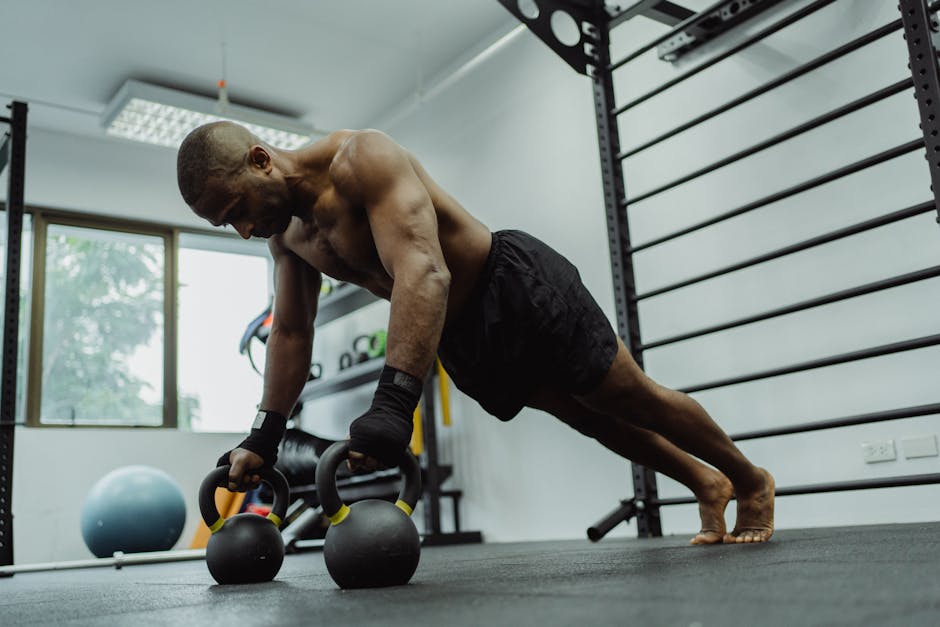
One of the most popular functional exercises is the kettlebell swing. This movement recruits muscles from your legs, core, and back, promoting a full-body workout that’s both cardiovascular and strength-based. Other exercises, such as farmer’s walks and Turkish get-ups, have gained popularity for their ability to improve functional strength in practical ways.
The Influence of Technology
Technology’s influence on fitness has been profound, and functional fitness is no exception. With the advent of wearable tech and smart gyms, tracking functional movements has never been easier. Devices like the WHOOP strap and Apple Watch provide real-time feedback on performance metrics such as heart rate, calorie burn, and even recovery times. This data-driven approach helps fitness enthusiasts tailor their workouts for optimal efficiency and safety.
Moreover, virtual reality (VR) has introduced a new dimension to functional workouts. Platforms like FitVR immerse users in a simulated environment, where they can engage in interactive sessions that incorporate functional movements in innovative ways, making exercise both engaging and effective.
Community and Inclusivity
Another reason for the surge in functional fitness is its emphasis on community. Functional fitness classes, such as those offered by F45 and CrossFit, are inherently social. These classes build camaraderie among participants, fostering an inclusive environment where people of all fitness levels can feel welcome and supported.
It’s not just about the workouts; it’s about the people. The community-driven approach helps maintain motivation and accountability. Gyms across the globe, from New York City’s iconic Equinox to London’s Third Space, have seen a significant rise in attendance for functional fitness classes, often with waiting lists for popular times.
Supporting Mental Health
Mental health awareness has increased substantially over the past decade, and functional fitness plays a vital role in supporting this trend. Engaging in regular physical activity is known to reduce stress and improve mood due to the release of endorphins. However, the strategic movements and mind-body emphasis in functional fitness specifically target mental wellness by promoting mindfulness, focus, and stress relief.
Studies published in the Journal of Sports Science & Medicine in 2025 highlighted that participants who engaged in functional training three times a week reported a 40% reduction in perceived stress levels compared to those who followed traditional gym routines.
A Takeaway to Strengthen Your Routine
As functional fitness continues to dominate the fitness scene, there’s no better time to integrate it into your exercise regimen. Start small by incorporating basic movements such as lunges, planks, and deadlifts. Explore local gyms or online resources that offer functional fitness classes to expand your knowledge and challenge your body in new, effective ways.
Remember, the essence of functional fitness is about enhancing your quality of life outside the gym. By focusing on multi-joint, comprehensive movements, you’re not just building a stronger body—you’re paving the way for a healthier, more capable you.