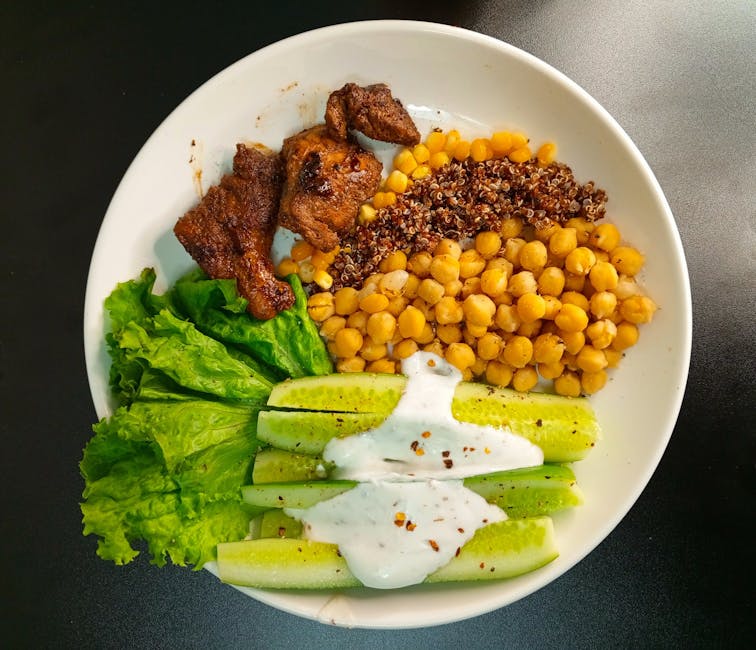
The Impact of Diet on Strength and Muscle Building: What You Need to Know
Building muscle and gaining strength is not just about the hours you put in at the gym. It’s also about what you put on your plate. The role of diet in muscle growth and strength enhancement is profound, influencing not just your gains but also how you feel and perform daily. Let’s look at how specific dietary components contribute to muscle building and strength.
The Role of Macronutrients
Macronutrients are the cornerstone of any effective muscle-building diet. They provide the energy and raw materials your body needs to repair and grow.
- Proteins: Often hailed as the building blocks of muscle, proteins are essential for repairing muscle fibers that are broken down during exercise. Studies suggest consuming around 1.6 to 2.2 grams of protein per kilogram of body weight daily. This means if you weigh 80 kilograms, aim for 128 to 176 grams of protein each day. Sources like chicken, fish, tofu, and legumes can help meet these needs.
- Carbohydrates: Carbs are your body’s primary energy source. They replenish glycogen stores, helping reduce fatigue and improve recovery. Complex carbohydrates like quinoa, brown rice, and sweet potatoes are excellent choices.
- Fats: Don’t neglect healthy fats. They play a crucial role in hormone production, including testosterone, which is vital for muscle growth. Avocados, nuts, and olive oil are great sources of healthy fats.
The Timing of Nutrient Intake
Nutrient timing can significantly impact your muscle-building efforts. The concept of nutrient timing revolves around eating the right nutrients at specific times to maximize results.
Pre-Workout Nutrition: Consuming a meal rich in carbohydrates and moderate in protein about 2-3 hours before your workout can fuel your exercise session. This might look like a bowl of oatmeal with some berries and a protein shake.
Post-Workout Nutrition: After you’ve finished your workout, there’s a critical window—often referred to as the “anabolic window”—where your muscles are primed to absorb nutrients. Consuming a mix of protein and carbohydrates 30 to 60 minutes after a workout can enhance recovery and muscle protein synthesis. A grilled chicken breast with a side of quinoa and vegetables can be a perfect post-workout meal.
The Importance of Micronutrients
While macronutrients often get all the attention, micronutrients are just as essential in the muscle-building equation. They play vital roles in energy metabolism, muscle contraction, and overall recovery.
- Vitamin D: This nutrient is crucial for bone health and muscle function. A deficiency in vitamin D can lead to muscle weakness. Sun exposure and fortified foods like milk can help maintain adequate levels.
- Magnesium: Magnesium assists in muscle contraction and relaxation. Foods like spinach, almonds, and black beans are rich in magnesium.
- Zinc: Zinc is involved in protein synthesis and immune function. You can find zinc in foods like beef, lentils, and seeds.
Hydration and Its Role in Muscle Performance
Hydration is often overlooked but is a critical component of muscle function. Dehydration can lead to decreased strength, increased fatigue, and a higher risk of injury. Ensuring you drink enough water throughout the day is essential, especially before, during, and after workouts. For most individuals, drinking at least 3 liters of water per day is a good target, although this can vary based on your activity levels and climate.
Real-World Example: The Mediterranean Diet
The Mediterranean diet, rich in fruits, vegetables, whole grains, and healthy fats, has been lauded for its health benefits, including muscle maintenance and growth. A study conducted in 2024 showed that individuals following this diet had higher lean muscle mass and better strength outcomes compared to those on a standard Western diet. This emphasizes the power of a balanced diet not only for muscle building but for maintaining overall health.
Practical Takeaway: To effectively build muscle and strength, it’s crucial to focus on a balanced diet that includes adequate macronutrients, mindful nutrient timing, sufficient micronutrients, and proper hydration. By doing so, you support your body’s ability to perform, recover, and grow stronger. Remember, what you eat is as important as how you train.