Understanding Muscle Recovery
Muscle recovery is not just a buzzword tossed around by gym enthusiasts. It’s an essential component of any effective fitness regimen. In 2026, the focus on recovery techniques has intensified as more people realize that gains aren’t just made during workouts but in the time between them. Let’s break down what muscle recovery entails and why it’s a crucial thread in the fabric of muscle building.
When you lift weights or engage in strenuous physical activity, tiny tears occur in your muscle fibers. This might sound alarming, but it’s actually a good thing. These tears need to heal, and as they do, your muscles become stronger and more resilient. However, without proper recovery, your muscles won’t heal properly, leading to stagnation or even injury.
The Role of Nutrition in Recovery
Imagine your body as a high-performance vehicle. Would you fill it with subpar fuel? Of course not. The same logic applies to your muscles. In 2026, nutrition has taken center stage in muscle recovery. The latest research highlights a few key areas.
- Protein: The building block of muscular repair. Consuming a protein-rich snack or meal within 30 minutes post-workout can optimize recovery.
- Carbohydrates: Often demonized, but essential. Carbs replenish glycogen stores, providing energy for recovery and future workouts.
- Essential fatty acids: Omega-3s found in fish or supplements reduce inflammation, aiding quicker recovery.
Don’t forget hydration. Water maintains cellular functions and transports nutrients to where they’re needed most. Dehydration can derail recovery, so keep that bottle handy.
Innovative Recovery Techniques
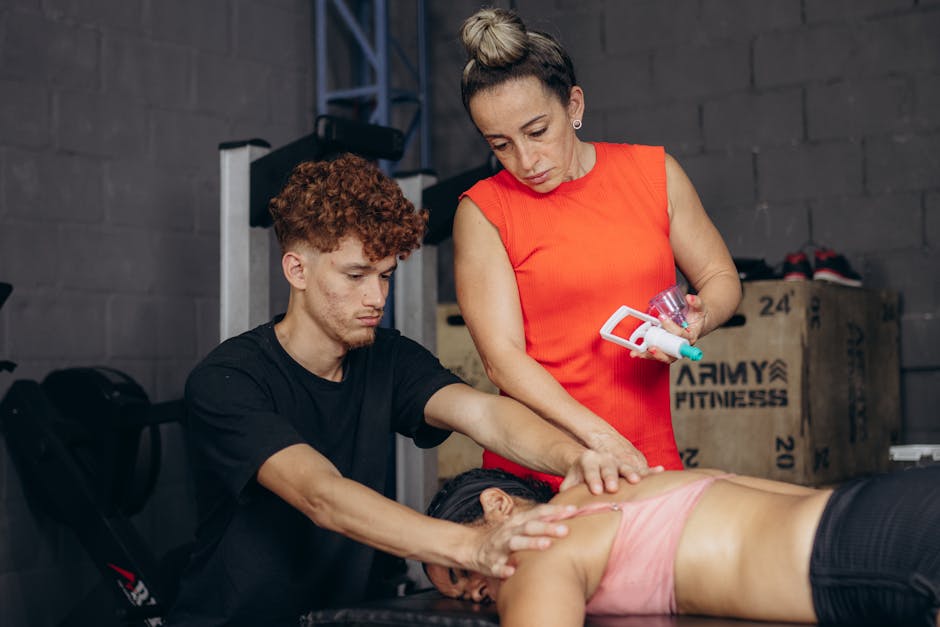
The landscape of muscle recovery in 2026 is brimming with innovation. Athletes and fitness enthusiasts are turning to a range of new and improved recovery modalities.
- Cryotherapy: Popularized over the past few years, cryotherapy involves exposing the body to extremely low temperatures. It’s believed to reduce inflammation and speed up recovery. A quick session at a local cryo-spa in Austin, Texas, or New York City can work wonders.
- Compression garments: These snug-fitting garments aid in blood circulation, reducing muscle soreness post-exercise. Studies from leading sports universities show significant reductions in recovery time for athletes who use compression gear.
- Infrared saunas: Not your typical sauna. Infrared wavelengths penetrate deeper into tissues, promoting cellular repair and detoxification.
The Power of Sleep
Sleep is the unsung hero of muscle recovery. While you sleep, your body goes into overdrive, repairing tissues, synthesizing protein, and releasing growth hormone. Experts recommend seven to nine hours of quality sleep per night. To optimize your sleep environment, consider blackout curtains, a consistent sleep schedule, and technology that tracks your sleep patterns.
Listening to Your Body
In the quest for muscle gains, it’s easy to overlook the simple act of listening to your body. Not every day will be a personal best day, and that’s okay. In 2026, intuitive training is gaining popularity. This involves adjusting your workout intensity based on how you feel, rather than sticking rigidly to a schedule.
Feeling uncharacteristically fatigued? Maybe it’s time for an active recovery day with light yoga or a leisurely walk. Your muscles will thank you for the break.
Practical Takeaway
The era of ‘no pain, no gain’ is evolving into a more balanced approach to fitness and muscle building. Recovery is no longer the forgotten stepchild of exercise but a vital player in your fitness journey. By integrating proper nutrition, embracing innovative recovery methods, prioritizing sleep, and being attuned to your body’s needs, you’re setting the stage for lasting results.