The Importance of Tracking Your Fitness Journey
Embarking on a fitness journey can be both thrilling and daunting. With every workout, you’re not just sweating it out but also investing in a healthier version of yourself. However, the progress isn’t always visible in the mirror or on the weighing scale. This is where effective tracking comes into play. Understanding the nuances of your progress helps in sustaining motivation and fine-tuning your regimen to achieve optimal results.
Setting Clear and Specific Goals
The first step in tracking fitness progress is setting clear, specific, and realistic goals. Whether you’re aiming to run a marathon in Portland or gain muscle mass in your local gym, defining what success means to you is crucial. For instance, aiming to drop 10 pounds in three months or increasing your bench press by 20% provides a tangible target. This clarity not only drives you but also serves as a baseline to measure your progress against.
Utilizing Technology: Apps and Wearables
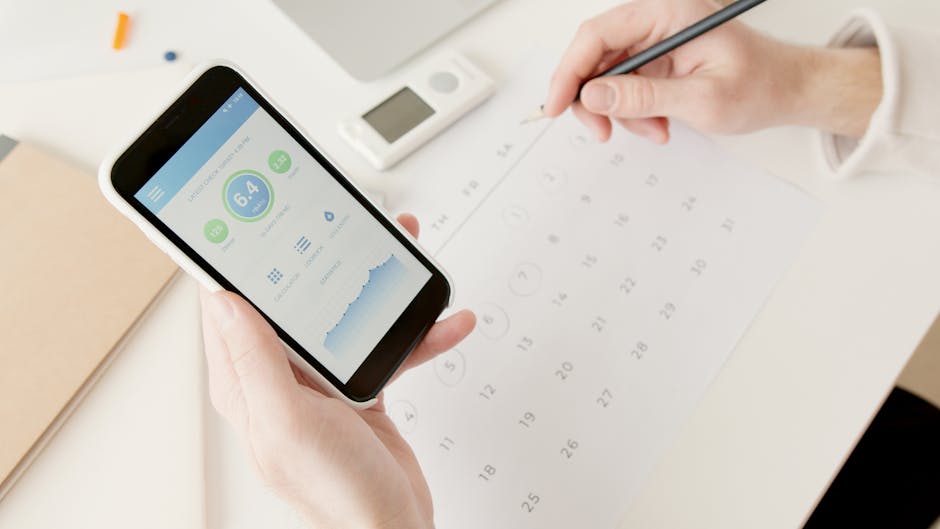
In 2026, technology is your best workout buddy. Fitness apps and wearable tech have revolutionized how we track workouts, diet, and progress. Apps like MyFitnessPal allow for detailed logging of food intake and exercise routines, while wearables such as the Fitbit Ultra 4 and Apple Watch Series X provide real-time data on heart rate, calories burned, and even sleep patterns. These tools offer insights that were once only available to athletes and gym professionals.
Keeping a Workout Journal
While technology offers many advantages, sometimes the old school methods work best. A workout journal, whether digital or physical, is an excellent tool for noting down details of your workouts. You can jot down the number of sets, reps, weights used, and even your mood or energy levels on that particular day. Over weeks and months, this journal becomes a goldmine of information, helping you to identify patterns, plateaus, or progress spikes.
Regular Assessments and Reflective Practices
It’s essential to periodically assess your fitness levels beyond just physical appearance or weight. Scheduling regular assessments like body fat measurements, VO2 max tests, or even flexibility evaluations offers a broader picture of your health improvements. Additionally, reflection at the end of each month can enhance your understanding of what works and what doesn’t. This practice enables you to adapt promptly and stay on course.
Celebrating Small Wins and Staying Motivated
Tracking progress shouldn’t just focus on end goals but also on celebrating small wins. Did you manage to run an extra kilometer or lift a heavier weight this week? These are milestones worth acknowledging. Celebrating them boosts morale and keeps your motivation high. Consider rewarding yourself with a new workout outfit from your favorite Seattle sports store or indulging in a healthy meal at a local farm-to-table restaurant.
Practical Takeaway
Effectively tracking fitness progress involves a blend of strategic goal setting, utilizing modern technology, maintaining detailed records, and regular self-assessment. It’s a process that is as dynamic as your fitness journey itself. Embrace the milestones, both big and small, and let each one propel you toward your ultimate goal. Remember, consistency is the real key, and it’s the small, daily efforts that lead to substantial, transformative results.