Why Recovery Matters More Than Ever
In 2026, the fitness world has taken a sharp pivot towards valuing recovery as much as the workout itself. Gone are the days when gym-goers would pride themselves on spending endless hours lifting heavy weights without a break. Today, recovery is not merely a buzzword; it’s a crucial element in the muscle-building equation. But what exactly makes recovery so important?
Research shows that muscles grow stronger not during the workout, but during the rest and recovery periods that follow. When you lift weights, you create tiny tears in your muscle fibers. It’s during recovery that these fibers repair and grow stronger. Neglecting proper rest can lead to overtraining, injuries, and mental burnout, all of which stall your progress.
Decoding Active vs. Passive Recovery
Recovery isn’t just about lounging on your couch all day. It’s a nuanced process that involves both active and passive elements. Active recovery includes light activities like walking, cycling, or yoga, which keep your blood flowing and help remove metabolic waste from your muscles. Passive recovery, on the other hand, involves getting quality sleep and relaxation without physical exertion.
Striking a balance between the two is essential. For instance, after a heavy leg day at PureGym in Manchester, you might opt for a leisurely bike ride along the canals the next day. Alternatively, you might spend time practicing mindfulness meditation to reduce stress and accelerate muscle repair.
Technological Innovations in Recovery
The advancements in technology have brought about innovative ways to enhance recovery. Smart wearables, such as WHOOP straps and Oura rings, are now commonplace among fitness enthusiasts. These devices track heart rate variability, sleep quality, and recovery scores, providing you with insights that guide your training intensity and rest days.
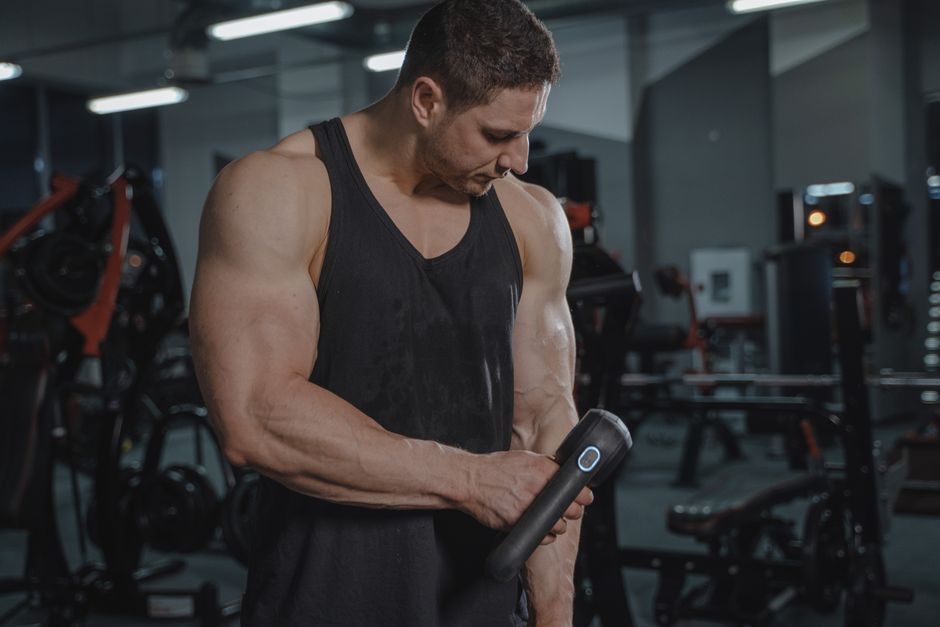
In addition to wearables, recovery technology has expanded to include tools like percussive therapy devices and infrared saunas. Percussive therapy, popularized by brands like Theragun, helps relieve muscle soreness and improve flexibility. Meanwhile, infrared saunas, available at places like HigherDOSE in New York City, promote relaxation and detoxification, aiding muscle recovery.
The Role of Nutrition in Recovery
Proper nutrition is the cornerstone of effective recovery. Consuming the right mix of proteins, carbohydrates, and fats provides the building blocks your muscles need to repair and grow. In 2026, the emphasis is on personalized nutrition plans that consider your unique biological makeup and fitness goals.
Protein remains paramount, with many athletes focusing on high-quality sources such as grass-fed beef, free-range chicken, and plant-based options like lentils and quinoa. Supplements, too, have evolved, with formulations tailored to individual recovery needs. Post-workout shakes now often include adaptogens and anti-inflammatory compounds to enhance the recovery process.
Community and Support Systems
The recovery revolution is not something you must embark upon alone. Engaging with a community or support group can significantly enhance your journey. Many fitness centers and online platforms offer recovery-focused classes and support groups where members can share tips and motivate each other.
For instance, joining a yoga class at your local gym not only supports your physical recovery but also connects you with like-minded individuals pursuing similar goals. This sense of camaraderie can be incredibly motivating and help you stay committed to your recovery regimen.
Practical Takeaway: Integrate Rest into Your Routine
As you continue your fitness journey in 2026, remember that rest is not a luxury—it’s a vital component of muscle growth. Schedule regular rest days in your workout plan, embrace the power of technology to track and optimize your recovery, and don’t overlook the importance of nutrition and community support. By making recovery a priority, you’ll not only enhance your gains but also foster a healthier, more sustainable relationship with fitness.