The New Dawn of Virtual Coaching: Bridging the Gap
In 2026, fitness coaching isn’t just about having a personal trainer at the gym. Welcome to the era where virtual coaching is redefining workout guidance. Imagine being in your living room, yet feeling the presence of a coach who can see your every move and offer real-time corrections. This isn’t science fiction — it’s the new reality.
Virtual coaching platforms that use AI-driven insights have skyrocketed, with companies like FitMentor and Trainify leading the charge. These platforms provide tailored workout plans and live feedback, ensuring you’re performing each rep with precision. The best part? It’s all accessible via your smartphone, laptop, or even your smart TV.
Virtual Reality (VR) Workouts: Immersive Fitness like Never Before
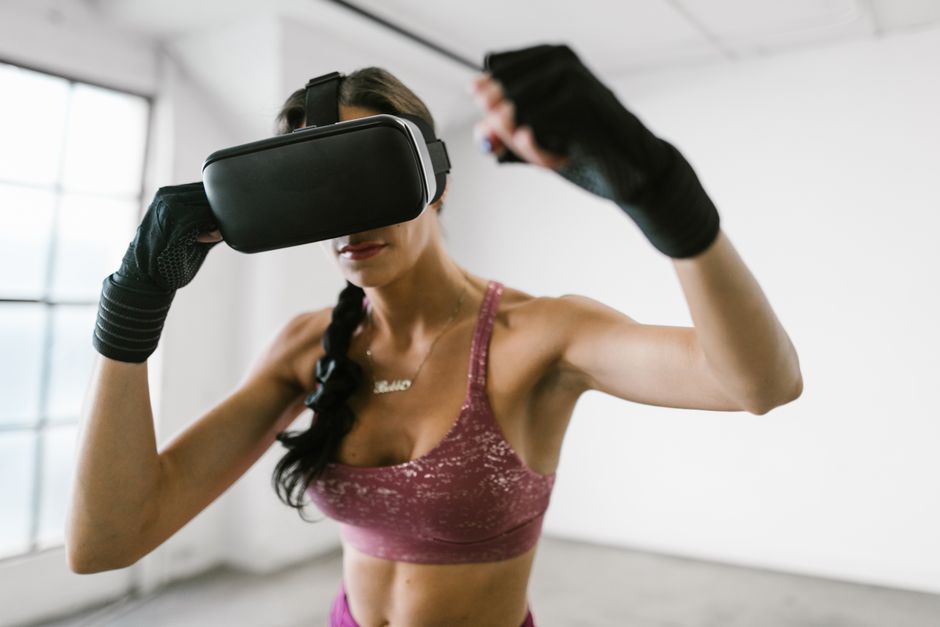
While virtual coaching keeps you connected with a real coach, VR workouts transport you to entirely different worlds. In an age where technology alters our day-to-day life, VR has found its perfect match in the fitness industry. Companies like MetaGym and Oculus Fitness have pioneered this trend, allowing users to climb mountains, ride waves, or even practice yoga in serene virtual landscapes.
VR workouts combine entertainment with exercise, making them especially appealing for those who find conventional workouts mundane. Plus, they offer a way to engage in activities that might be inaccessible due to location or cost.
The Role of Data in Personalized Fitness Planning
Data-driven insights are at the heart of these technological advancements. Devices like smartwatches and fitness trackers collect a wealth of information — from heart rates to sleep patterns — and feed these into sophisticated algorithms that tailor workouts to individual needs.
As of 2026, it’s estimated that over 70% of fitness enthusiasts use some form of wearable technology. This data doesn’t just optimize workouts; it also helps in injury prevention by recognizing patterns that might lead to overtraining.
Social Connectivity: Bringing Community Back to Fitness
One potential downside of virtual workouts is the lack of social interaction, which is a big motivator for many. However, platforms have addressed this with interactive features allowing you to work out ‘together’ with friends or join global challenges.
Apps like Strava and Zwift have already proven that virtual social fitness can thrive, offering leaderboards, group challenges, and even virtual races. This connectivity keeps the competitive spirit alive, making workouts more engaging and less isolating.
Accessibility and Affordability: Fitness for All
Perhaps one of the most significant benefits of the virtual fitness boom is its accessibility. No longer do you need to pay hefty gym memberships or personal trainer fees. With options ranging from free basic services to premium subscriptions, virtual fitness caters to a broad audience.
This democratization of fitness means more people can embark on their fitness journey, breaking down barriers of geography, cost, and even time. The convenience of doing a workout at any moment that suits you is invaluable in a busy world.
Practical Takeaway: Integrate Technology into Your Routine
As we embrace these technological advancements, it’s crucial to find a balance that suits your lifestyle. Consider what aspects of virtual fitness excite you and how they can complement your existing routine. Whether it’s hiring a virtual coach for expert guidance or trying out a VR workout for variety, make 2026 the year you fully harness the power of technology to achieve your fitness goals.