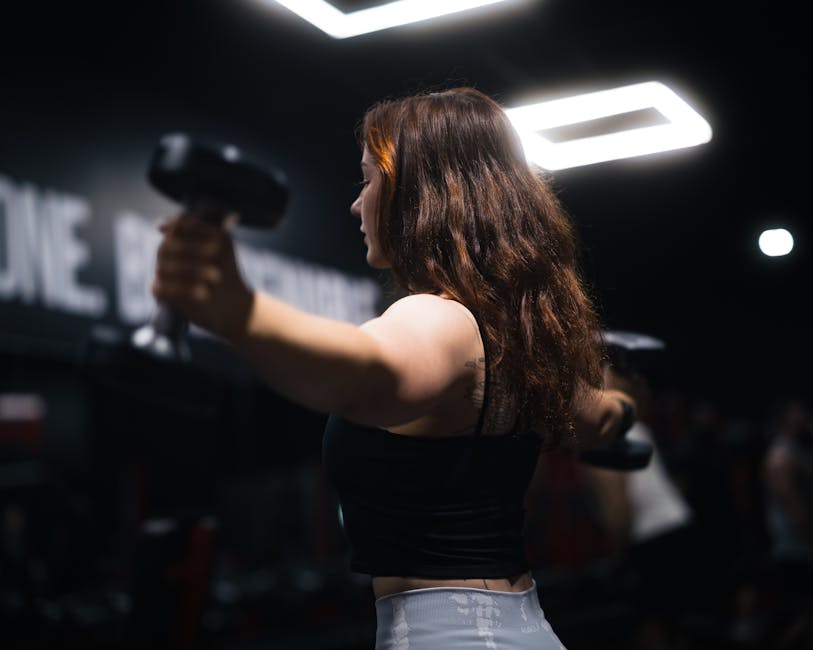
5 Myths About Female Fitness and Strength Training Debunked
Women’s fitness has seen a tremendous shift over the past few years, but certain myths stubbornly hang around like uninvited guests at a party. These misconceptions not only cloud the understanding of effective training but also hinder women from fully embracing their strength potential. Let’s pull back the curtain on these myths and set the record straight.
Myth 1: Strength Training Makes Women Bulky
The fear of turning into a bulky bodybuilder has deterred many women from lifting weights. But here’s the science: women generally have lower levels of testosterone compared to men, making it biologically tougher to gain massive muscle mass. A study from the University of New South Wales highlighted that women produce 15 to 20 times less testosterone than men, which significantly limits their muscle growth.
Consider the example of elite female athletes such as Serena Williams or CrossFit champion Tia-Clair Toomey. They engage in rigorous strength training but maintain a physique far from the ‘bulky’ stereotype. What strength training does offer is a toned and defined look, enhancing functional strength without the excess mass.
Myth 2: Cardio is the Only Way to Lose Weight
While cardio is excellent for cardiovascular health and burning calories, relying solely on it for weight loss can be a pitfall. Strength training plays a crucial role in weight management. Lifting weights helps build lean muscle, which increases the resting metabolic rate. This means you burn more calories even when you’re not working out.
Imagine strolling through Central Park, NYC, knowing you’re burning more calories than before, simply because your body composition has changed. A 2016 study published in the Journal of Applied Physiology found that women who incorporated strength training into their routine burned more fat than those who only did cardio.
Myth 3: Strength Training Isn’t For Older Women
Aging and exercise might seem like a daunting combination, but strength training is actually beneficial for women of all ages. It helps combat the natural decline in bone density, muscle mass, and metabolic rate that comes with age. The National Institute on Aging recommends strength training as a key element for maintaining health and independence.
Take the example of Joan MacDonald from Ontario, Canada, who began her fitness journey at 70. With a commitment to strength training, she transformed not just her body but also her quality of life, becoming a source of inspiration for women worldwide. Her story illustrates that it’s never too late to start lifting weights.
Myth 4: Women Should Avoid Heavy Weights
The notion that women should only lift light weights and do high reps is outdated. Lifting heavy weights, with proper form, can lead to significant strength gains and improvements in muscle tone. It’s about challenging the muscles to grow stronger, not lifting until you collapse.
In fact, heavy lifting can be empowering, boosting women’s confidence as they gain strength. Programs like StrongLifts 5×5 or the Starting Strength protocol have been tailored to help women safely and effectively lift heavier weights, focusing on compound movements like squats and deadlifts.
Myth 5: Lifting Weights Is Bad for Women’s Joints
Concerns over joint health can deter women from pursuing strength training, but research shows that it can actually enhance joint strength and stability. Regular weight lifting increases the strength of the connective tissues and muscles around the joints, providing more support and reducing the risk of injuries.
Consider yoga instructor and weightlifter, Adriene Mishler from Austin, Texas, whose combination of flexibility routines and strength training has fortified her joints, enabling a more balanced and injury-free practice. It’s crucial to focus on technique and gradually increase weights to maintain joint health.
Practical Takeaway: Embrace Your Strength Potential
The key takeaway from debunking these myths is the realization that strength training offers countless benefits beyond aesthetic appeal. It empowers, builds health, and fosters a sense of achievement. Whether you’re walking through your local gym or setting up a home workout space, remember that the myths are just stories. Your strength is yours to define, celebrate, and grow.
By challenging these misconceptions, women can confidently embrace strength training as an essential part of their fitness journey, reaping benefits for both mind and body.